
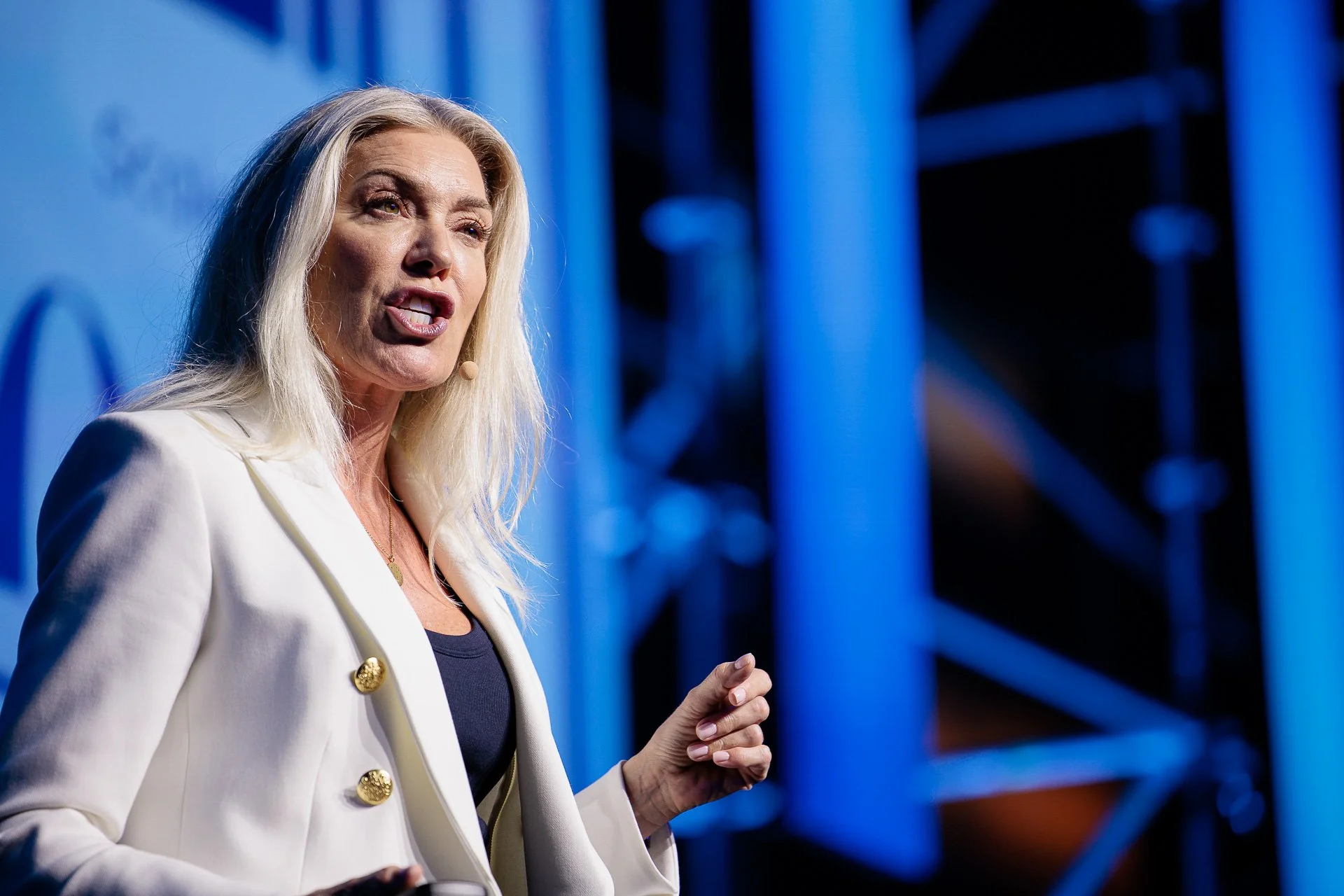
I didn't set out to do this work.
I set out to survive it.
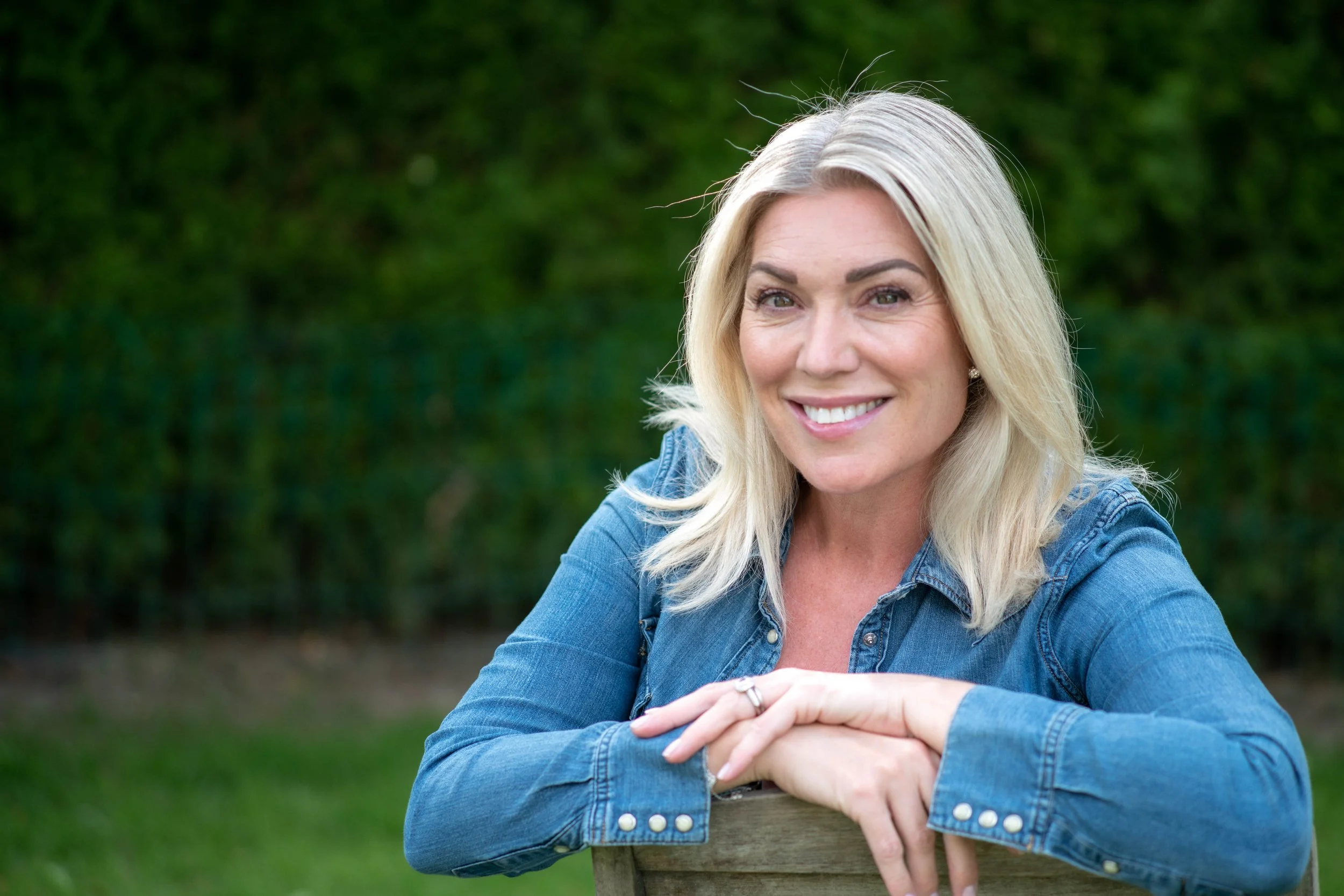
I grew up in Norway and spent most of my adult life abroad — France, the United States, Switzerland — before returning home. I studied law in the United States and spent almost a decade working in corporate law, international arbitration, and fund management — including as Head of Business Development. High-stakes, high-pressure environments where performance was the only currency and showing what it cost you was not an option.
I was good at it. I was also running on fumes in a way I couldn't name and wouldn't have admitted.
I over-functioned. I over-delivered. I tied my worth to every achievement and chased the next deadline before the last one had cleared. I was always on. Vacations didn't help. Rest didn't come. I was operating on stress chemicals and calling it drive.
Then my son was born. I had the career, the family, everything I'd worked for. I should have felt it. Instead I felt empty. Lonely. Unable to simply be.
That was the moment I stopped being able to lie to myself.
What I was doing wasn't drive. It was survival. And underneath the performance was a person who had never learned to exist without it.
I built everything. And felt nothing.
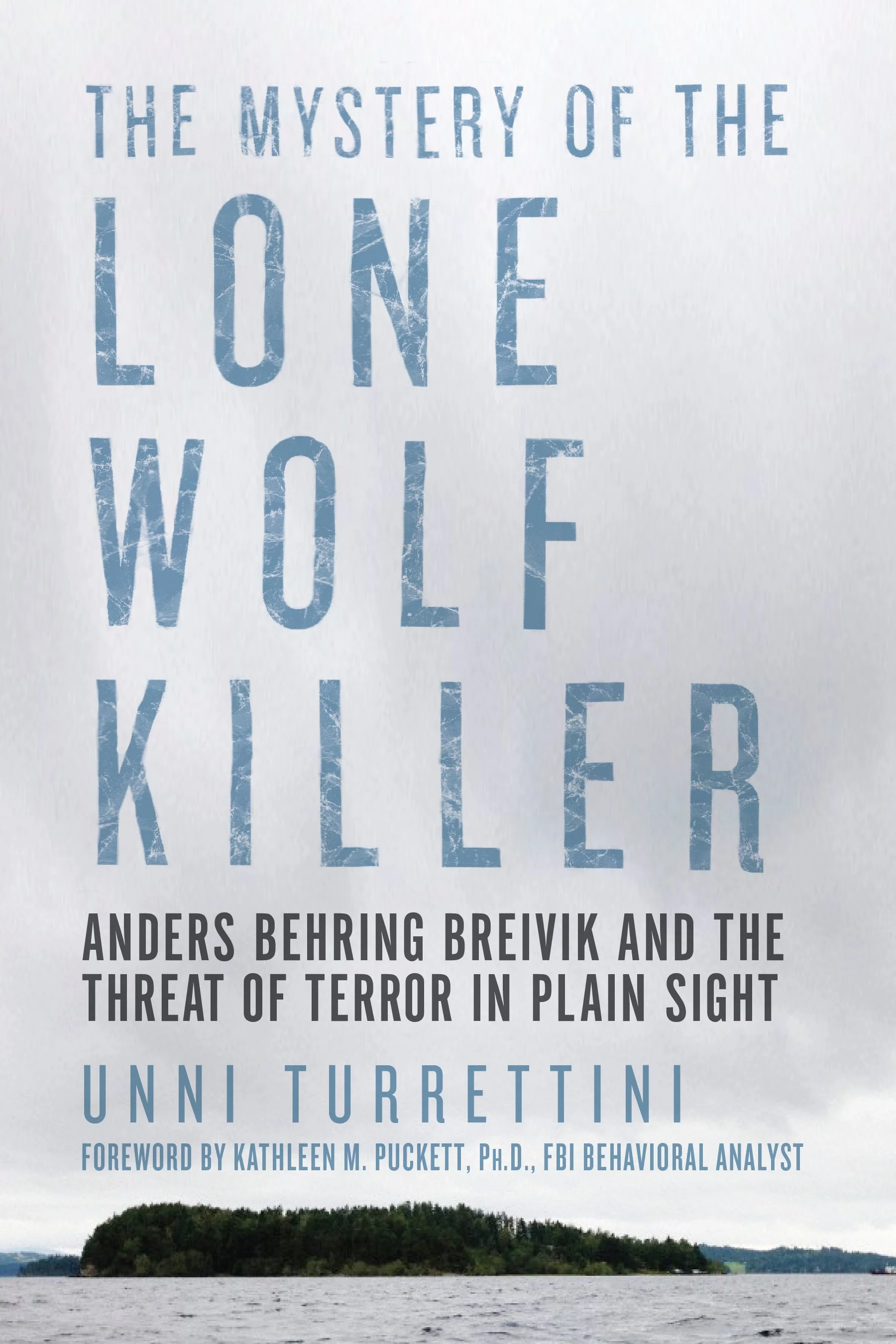
My path into this work started in an unexpected place — researching the psychology of a mass killer for my first book The Mystery of the Lone Wold Killer. What I found wasn't a monster. It was a profoundly disconnected human being. Someone who had lost the thread back to himself so completely that catastrophe followed.
That research changed everything I thought I understood about performance, leadership, and what actually drives human behavior.
The same disconnection I found in extreme cases — the inability to be still, to trust oneself, to feel anything beneath the achievement — I started seeing everywhere. In boardrooms. In managing partners. In founders who had built everything and felt nothing.
It wasn't a mental health problem. It wasn't a strategy problem. It was a human problem. And it was far more common than anyone was admitting.
It started with a mass killer.
I know this world. I lived in it.
I am a member of the New York Bar. I worked in fund management and corporate law. I understand how contracts work, how deals are structured, how boards operate, and what it actually costs to perform at the highest level over time.
When you sit across from me, you don't have to translate. You don't have to explain the pressure or justify the stakes. I've been in those rooms. I know what they ask of you.
I also know what they take.
The work I do now draws on everything I learned in law and finance, combined with two decades of research into human psychology, neuroscience, and what actually shifts when someone stops performing and starts living.
I've written three books. My first, The Mystery of the Lone Wolf Killer, examined the psychology of disconnection through the mind of a mass killer.
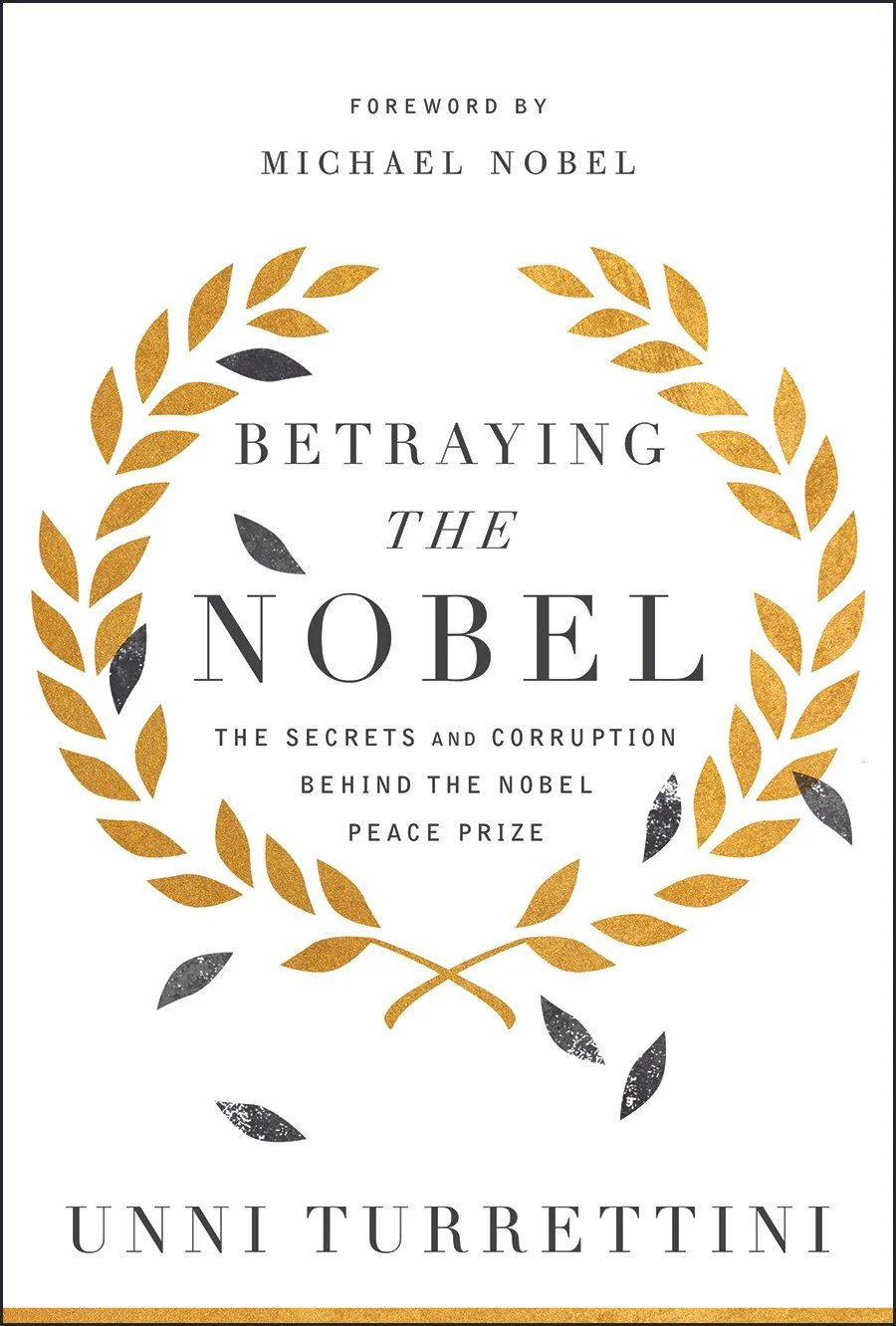
My second, Betraying the Nobel, investigates the corruption and broken trust behind one of the world's most respected institutions — and what it reveals about leadership, accountability, and what holds organizations together.
My third, Soulware, brings it all home — what happens when high achievers lose the thread back to themselves, and how they get it back. My work has been featured by the BBC, ABC, FOX, The Huffington Post, and the New York Post. I was named one of 22 Women to Watch in 22 by Brown Brothers Harriman.
None of that is why my clients stay.
They stay because I see what's actually there. Not what they're presenting. Not what they want me to see. What's really running underneath — the specific pattern that's been shaping their decisions, their relationships, and their results for years.
People can only see others as deeply as they see themselves. I've done that work. That's why I can see you.
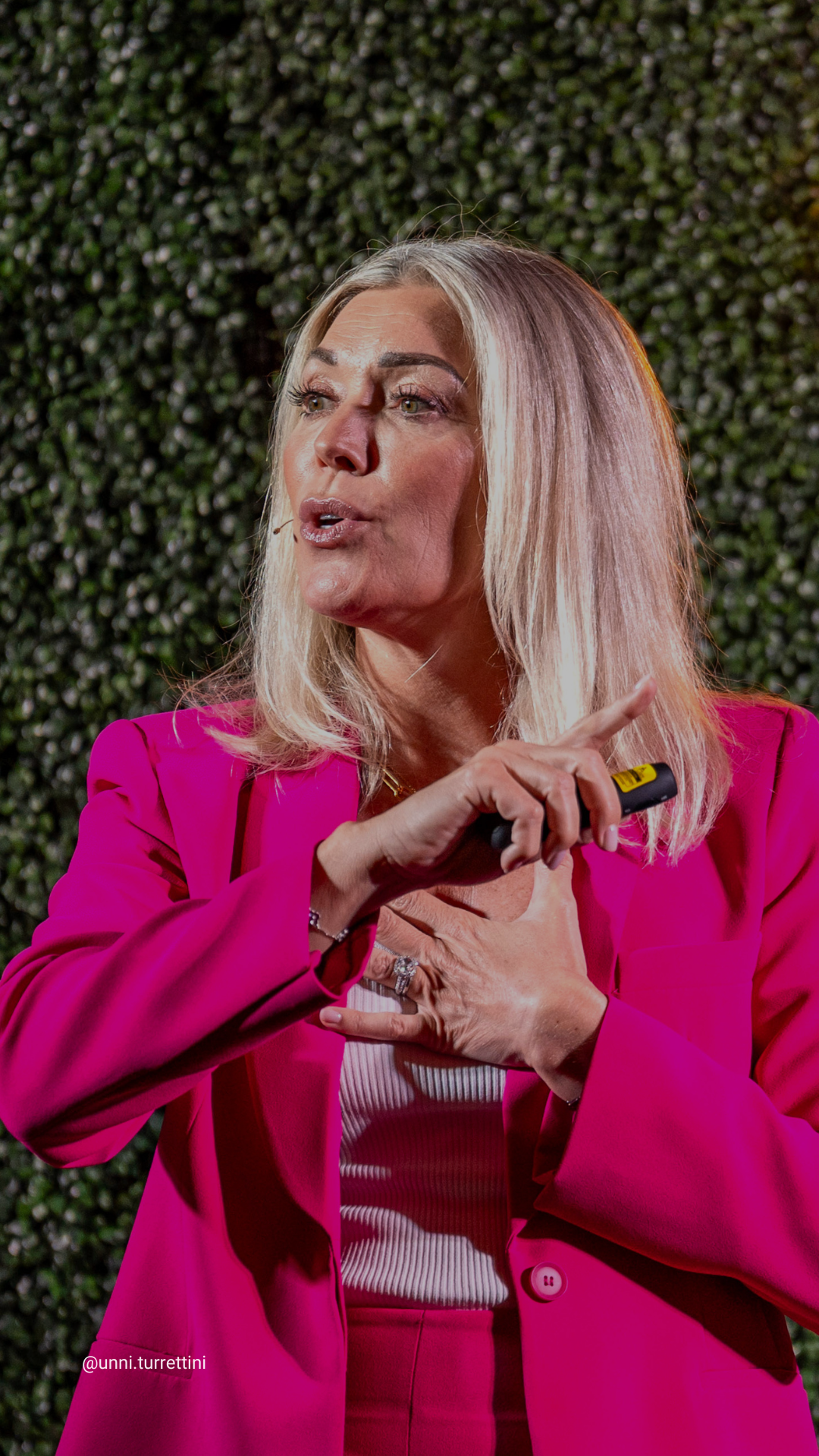
This isn't coaching.
Coaches give you frameworks and cheer you on. What I do is different — and if you've already tried coaching, you probably know something was still missing.
Before we begin, we get clear on one thing: what do you actually want to walk away with? Not a feeling. A result. A decision made, a pattern broken, a business move you couldn't see before, a relationship that stops costing you.
Then I tell you what I see standing between you and that.
Not what you want to hear. What you need to hear. The blind spot your most trusted people can't name — because they're too close, or too careful, or they simply haven't done the work on themselves to see it in you.
I have. That's the difference.
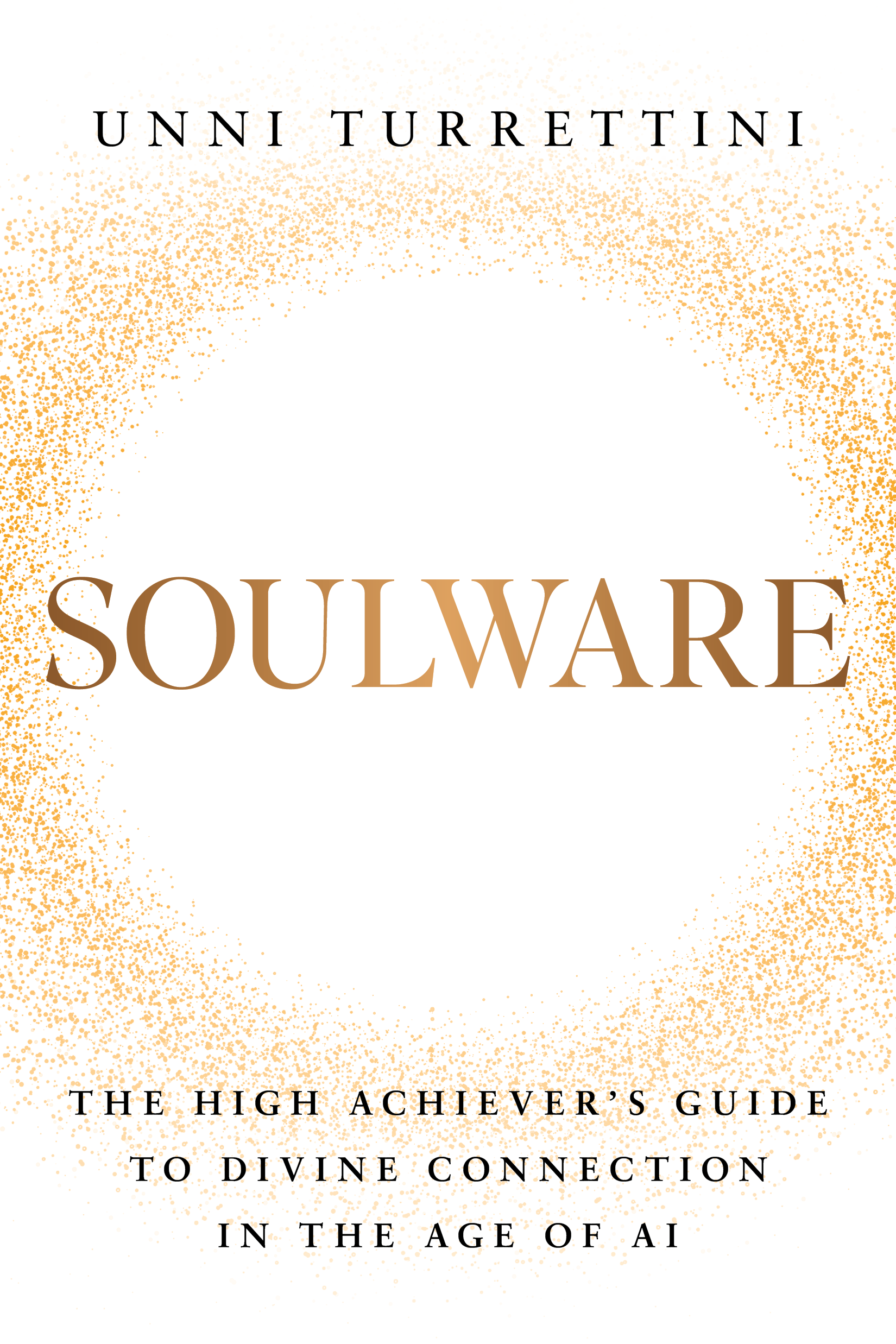
Soulware — The High Achiever's Guide to Divine Connection in the Age of AI
My third book. Coming soon from Amplify Publishing.
It's about what's underneath the performance — and what becomes possible when you stop running from it.
If something here resonated, the next step is simple.
Apply for a private conversation. I read every application personally.